
Robes: History, Types, and Cultural Significance
A robe is a loose-fitting outer garment characterized primarily by the presence of sleeves, which distinguishes it from similar outerwear like capes or cloaks. These garments serve a vast array of purposes, ranging from the purely functional and comfortable to the highly symbolic and ceremonial.
The etymology of the word reveals a fascinating linguistic journey. The English term derives from the Middle English robe, which was borrowed from the Old French robe (meaning "booty" or "spoils"). This, in turn, originated from the Frankish word *rouba, referring to stolen things or clothes, and shares a linguistic root with the modern word "rob."
Key Facts
- Robes are defined as loose outer garments that typically feature sleeves.
- They are used across diverse sectors, including law, academia, religion, and royalty.
- The term encompasses both textile gowns and cured animal hides.
- Etymologically, the word is linked to the concept of "spoils" or "stolen goods."
Diverse Types of Robes
Because of their versatility, robes are categorized by their function and the social status of the wearer.
Professional and Ceremonial Robes
In many formal institutions, robes signify authority, achievement, or a specific professional role. Academic regalia consists of gowns worn by faculty and students during convocations, congregations, or graduations. Similarly, judges and barristers wear specific gowns as part of their legal attire.

Royalty and peers also utilize official gowns to denote their rank. In the realm of faith, religious dress varies widely, including pulpit robes and the specific attire worn by monks.
Domestic and Casual Robes
For daily use, robes focus on comfort and utility. A bathrobe is designed for use after swimming or bathing, typically made from absorbent materials. A dressing gown, while similar in appearance, is used to cover a state of underdress after waking up; these are often ankle-length and lack the absorbent fabric found in bathrobes.
Cultural and Historical Robes
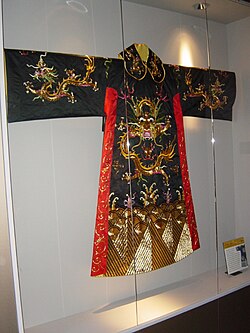
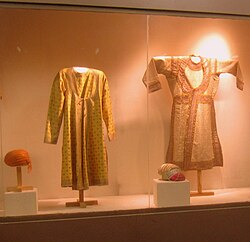
Throughout history, various cultures have developed unique robes. French fashion introduced styles such as the robe à l'anglaise in the 18th century and the robe de style in the 1920s. Other global examples include the Angarkha from India, the Kimono from Japan, the Chuba of Tibet, and the Thawb common in Africa and the Middle East.
Specialized and Fantasy Robes
Beyond textiles, a robe can be a cured animal hide with the fur or hair still attached—most notably the buffalo robe, which was used for warmth both as clothing and within the home. Additionally, in fantasy literature and role-playing games, robes are the quintessential attire for wizards and magical characters.

Comparative Overview of Robe Varieties
| Category | Example | Primary Purpose |
|---|---|---|
| Academic/Legal | Graduation Gown | Ceremonial/Professional Status |
| Religious | Monastic Robe | Spiritual Devotion/Identity |
| Domestic | Bathrobe | Post-bathing comfort |
| Cultural | Kimono / Thawb | Traditional/Regional Dress |
| Natural | Buffalo Robe | Warmth and Protection |
Frequently Asked Questions
What is the main difference between a robe and a cloak?
The primary distinction is that robes usually have sleeves, whereas cloaks and capes are typically sleeveless outer garments.
What is the difference between a bathrobe and a dressing gown?
While both are worn domestically, bathrobes are made of absorbent material for use after bathing, whereas dressing gowns are typically ankle-length garments used to cover underdress in the morning.
What is a buffalo robe?
A buffalo robe is a cured animal hide, often from a buffalo, with the hair or fur still attached, used for warmth as either a garment or a home covering.
How did the word "robe" originate?
It comes from the Middle English robe, borrowed from the Old French robe (meaning "spoils"), which originated from the Frankish *rouba.
Are cassocks considered robes?
In informal usage, a cassock is sometimes called a robe because it is a long flowing garment, although technically a cassock is close-fitting.