
Shenandoah: The Evolution of a Classic American River Song
Few melodies capture the spirit of longing and the vastness of the American landscape quite like Shenandoah. Originally a song of the rivermen and later adopted by sailors, this piece has evolved over centuries. Because it was passed down through oral tradition, there are no definitive, set lyrics; instead, the song exists as a collection of variations that reflect the diverse experiences of those who sang it.
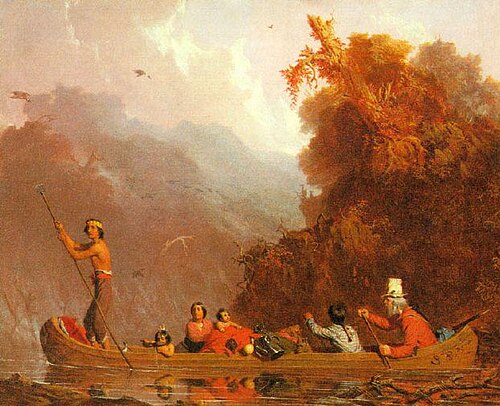
At its core, the song is a meditation on distance, love, and the powerful currents of the Missouri River. Whether sung by a trader in the wilderness or a sailor on a global voyage, the recurring theme remains a deep yearning for a person or a place left behind.
Key Facts
- Origin: Began as a riverman's song before becoming a sailor's song.
- Structure: No single official version of the lyrics exists due to centuries of changes.
- Central Theme: Longing for the Shenandoah and the crossing of the wide Missouri River.
- Cultural Reach: Sung by diverse groups, including traders, Yankee skippers, and international sailors.
The Evolution of the Lyrics
The lyrics of Shenandoah have shifted significantly depending on the era and the singer. Modern versions often focus on a generalized sense of longing and the beauty of the rolling river, emphasizing the emotional pull of the Missouri.
Early Versions (Pre-1860)
Earlier iterations of the song were often more narrative and specific. Records from prior to 1860, as reported by Whall in 1910, describe a story of cultural intersection. These lyrics detail a white man's love for an Indian maiden and the conflict with her chief, who rejected the trader's money. In a dramatic turn, the narrative describes a "Yankee skipper" who used "fire-water" (strong alcohol) to deceive the chief and steal the daughter away.
Global and Diverse Interpretations
The song's reach extended far beyond the banks of the Missouri. In 1894, J.E. Laidlaw of San Francisco documented a version sung by a black Barbadian sailor aboard the ship Harland. This version shifted the tone toward a more personal tragedy, with the singer lamenting that his girl had gone far from the river and that he would never see her again.
Mid-Century Popularization
By the 20th century, the song became a staple of American folk music. A notable 1959 version by Tennessee Ernie Ford blended the riverman's imagery with a more polished folk style, referencing "topsails shiver" and a farewell to a loved one, while maintaining the iconic refrain of being "bound away 'cross the wide Missouri."
Comparison of Lyric Variations
The following table summarizes the primary thematic differences across the various recorded versions of the song.
| Version/Source | Primary Theme | Key Imagery |
|---|---|---|
| Modern Variations | General Longing | Rolling rivers, wide Missouri |
| Pre-1860 (Whall) | Narrative Romance/Conflict | Indian maiden, trader's dollars, Yankee skipper |
| Barbadian Sailor (1894) | Personal Loss | Calling river, lost love |
| Tennessee Ernie Ford (1959) | Folk Farewell | Topsails, mighty river, farewells |
Frequently Asked Questions
Are there official lyrics for Shenandoah?
No. Because it originated as a folk song for rivermen and sailors and was passed down orally, there are no set lyrics. It exists in numerous versions and variations.
What is the significance of the Missouri River in the song?
The Missouri River serves as the central geographic and symbolic anchor of the song, representing both a physical barrier and a destination of longing.
Who were the original singers of the song?
The song was originally sung by rivermen, and it was subsequently adopted by sailors.
How did the early narrative versions differ from modern ones?
Early versions often told a specific story involving traders, Native American chiefs, and the abduction of a daughter, whereas modern versions are typically more abstract and focused on the feeling of longing.
Which famous artists have recorded the song?
Tennessee Ernie Ford recorded a well-known version of the song in 1959.