
South Carolina National Historic Landmarks: A Journey Through American Heritage
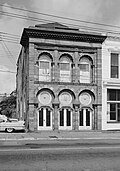
South Carolina is a state where history is etched into the landscape, from the cobblestone streets of coastal cities to the quiet reaches of the interior plantations. The state is home to 76 National Historic Landmarks (NHLs)—sites designated by the U.S. government for their exceptional value to the nation's history. These landmarks are spread across 16 of the state's 46 counties, with a significant concentration in the coastal lowcountry.
The distribution of these sites highlights the strategic and cultural importance of the coast, particularly in Charleston County, which hosts 42 of the 76 landmarks. From military installations and revolutionary battlefields to architectural masterpieces and sites of social struggle, these landmarks offer a comprehensive window into the American experience.
Key Facts
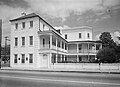
- Total Landmarks: 76 National Historic Landmarks are located in South Carolina.
- Geographic Concentration: 42 of the 76 sites are located within Charleston County.
- County Distribution: Landmarks are distributed across 16 different counties.
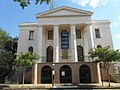
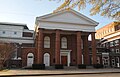
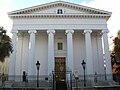
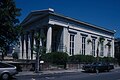
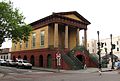
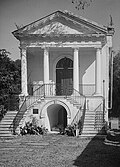
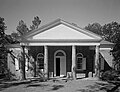
- Architectural Influence: Robert Mills, a pioneering American architect, designed several key sites, including the Bethesda Presbyterian Church and the Old Marine Hospital.
- Diverse Categories: Sites range from WWII aircraft carriers (USS Yorktown) to ancient archaeological shell-rings (Fig Island).
Architectural Marvels and Historic Homes

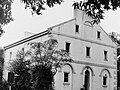
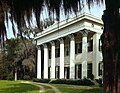
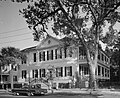
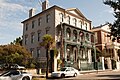
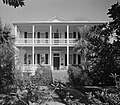
South Carolina's NHLs showcase a variety of architectural styles, including Adamesque (a neoclassical style characterized by light, elegant ornamentation), Palladian (based on the symmetry of Andrea Palladio), and Gothic Revival. The state's residential landmarks often reflect the wealth and social structures of the colonial and antebellum eras.
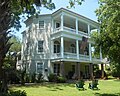
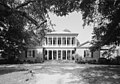
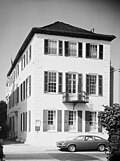
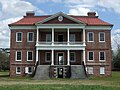
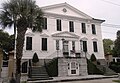
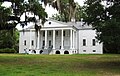
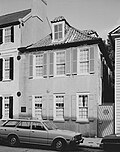
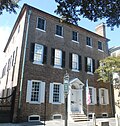
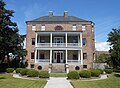
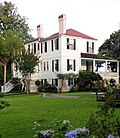
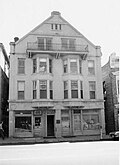
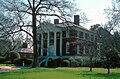
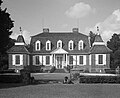
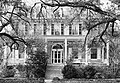
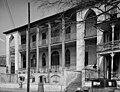
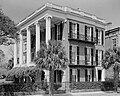
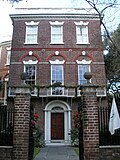
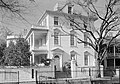
Notable examples include the Drayton Hall plantation house, built in 1742 in the Palladian style, and the Nathaniel Russell House, a stunning Adamesque residence completed in 1808. In the city of Charleston, the "double house" design—featuring four main rooms per floor—is exemplified by the Miles Brewton House.
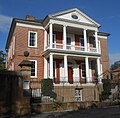
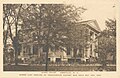
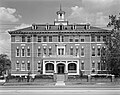
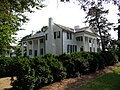
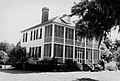
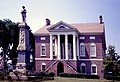
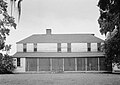
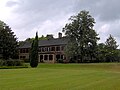
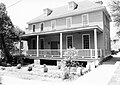
Beyond the coast, the Burt-Stark Mansion in Abbeville and the Woodlands in Bamberg represent the historic residential heritage of the state's interior.
Faith and Community
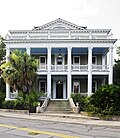
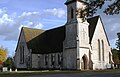
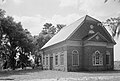
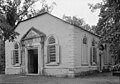
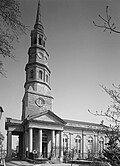
Religious institutions have played a central role in South Carolina's social fabric. The state boasts several NHL churches that are architectural and cultural milestones. Saint Michael's Episcopal Church stands as the oldest church building in Charleston, dating back to the 1750s.
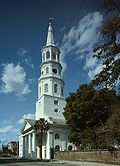
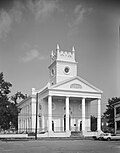
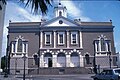
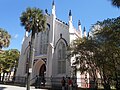
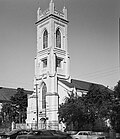
Other significant sites include the Kahal Kadosh Beth Elohim, the second oldest synagogue in continuous use in the United States, and the Huguenot Church, a Gothic Revival structure designed by E. B. White in 1844.
Military History and National Defense
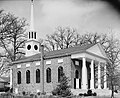
From the Revolutionary War to World War II, South Carolina has been a pivotal stage for military conflict and defense. The Camden Battlefield marks a critical British victory in 1780, while the Ninety-Six and Star Fort preserve the fortifications of the early republic.

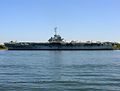
The state's naval history is prominently displayed through the USS Yorktown, a famous World War II aircraft carrier, and the USS Laffey destroyer, both located in Mount Pleasant.
Sites of Social Struggle and Human Rights
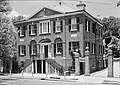
Many NHLs in South Carolina commemorate the complex and often painful history of slavery and the pursuit of freedom. The Stono River Slave Rebellion Site and the Denmark Vesey House serve as reminders of the resistance against enslavement.
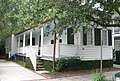
Conversely, the Penn School Historic District and the Joseph H. Rainey House—the home of the first black U.S. Congressman—highlight the achievements and resilience of African Americans in the post-Civil War era.
Summary of Notable South Carolina NHLs
| Landmark Name | Location | Significance |
|---|---|---|
| Charleston Historic District | Charleston | Comprehensive urban historic preservation |
| Drayton Hall | Charleston | 1742 Palladian style plantation house |
| USS Yorktown | Mount Pleasant | World War II aircraft carrier |
| Kahal Kadosh Beth Elohim | Charleston | 2nd oldest continuous-use synagogue in the US |
| Fig Island | Charleston | Complex archaeological shell-ring site |
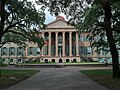
| South Carolina State House | Columbia | Seat of state government |
Frequently Asked Questions






Which county has the most National Historic Landmarks?
Charleston County has the highest concentration, containing 42 of the state's 76 National Historic Landmarks.
Who was Robert Mills and why is he important to these sites?
Robert Mills was a prominent American architect who designed several NHLs in South Carolina, including the Bethesda Presbyterian Church, the Old Marine Hospital, and the Parish House of the Circular Congregational Church.
What is the oldest public building in Charleston?
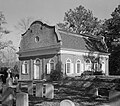
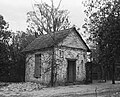
The Powder Magazine is recognized as the oldest public building in the city of Charleston.
Are there any NHLs related to the Revolutionary War?
Yes, sites such as the Camden Battlefield and Snow's Island (a refuge for Francis Marion, the "Swamp Fox") are key Revolutionary War era landmarks.
What makes Fig Island historically significant?
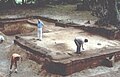
Fig Island is an archaeological site known for being one of the most complex shell-ring sites in the United States.