
St John's Church: A History of Resilience and Architecture
The story of St John's Church is one of enduring faith and architectural ambition. From its humble beginnings as a small wooden structure to the construction of a grand stone edifice, the site has served as a spiritual anchor for its community, weathering both the passage of time and the devastation of natural disasters.
The Origins of St John's Hall
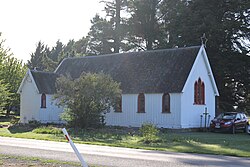
The site's history began in 1875 with the construction of a small wooden church. This original building held significant historical value, leading the New Zealand Historic Places Trust to register it as a Category 2 historic place (registration number 1785) on June 23, 1983.
To make room for a more permanent stone structure, the wooden church was moved across the road. For many years, the 1881 wooden building served as the parish hall. However, following the 2010 Canterbury earthquake, its role shifted once again, and it began being used for services.
The Construction of the Stone Church
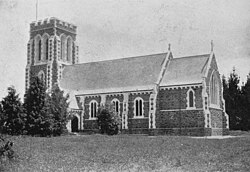
The current stone church was made possible through a bequest from Sir John Hall, a former Premier of New Zealand, who intended the building to be a memorial for his late wife, Rose, Lady Hall. The foundation stone was laid on February 6, 1910, and the building was officially consecrated on February 27, 1911.
The architecture is notable for its use of local materials. The church was constructed using volcanic rock from the Wairiri Valley and Glentunnel in the Malvern Hills, combined with Oamaru stone for the interior. To ensure the durability of the structure, stone samples were sent to England for testing and were confirmed to be of excellent quality. Interestingly, this specific combination of local stone is not known to have been used in any other building.
Artistic and Musical Additions
Over the decades, the church was enhanced with several significant additions:
- Stained Glass: A window crafted in England was installed in June 1914.
- The Pulpit: Added in 1961 to commemorate the church's 50th Jubilee.
- The Organ: Completed in 1970, the organ was assembled using pipe ranks from St Augustine's in Cashmere and the first organ of Christchurch Cathedral.
Impact of the 2010 Canterbury Earthquake
The 2010 Canterbury earthquake brought severe destruction to the church. The bell tower partially collapsed, falling into the nave and crushing surrounding gravestones. The historic organ, which contained components from Christchurch Cathedral, was totally destroyed.
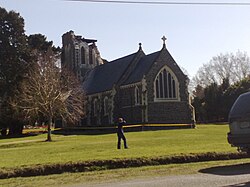
The cost of repairing the damage is estimated at NZ$ 3 million. To fund these restoration efforts, the community launched several local initiatives, including the Hororata Night Glow and the Hororata Highland Games, the latter of which was first held in 2011.
Key Facts
- Founder: Bequeathed by former NZ Premier Sir John Hall in memory of Rose, Lady Hall.
- Materials: Volcanic rock from Malvern Hills (Wairiri Valley and Glentunnel) and Oamaru stone.
- Historic Status: The original wooden church is a Category 2 historic place.
- Restoration Cost: NZ$ 3 million required following the 2010 earthquake.
- Unique Feature: The specific local stone blend used is unique to this building.
| Year | Event | Significance |
|---|---|---|
| 1875 | Wooden church built | Original place of worship |
| 1910-1911 | Stone church constructed | Memorial to Rose, Lady Hall |
| 1914 | Stained glass installed | Imported from England |
| 1970 | Organ completed | Combined pipes from two other churches |
| 2010 | Canterbury earthquake | Major structural damage and organ loss |
Frequently Asked Questions
Who funded the construction of the stone church?
The funds were provided via a bequest from Sir John Hall, a former Premier of New Zealand, as a memorial for his late wife, Rose, Lady Hall.
What makes the building materials of the church unique?
The church uses volcanic rock from the Wairiri Valley and Glentunnel in the Malvern Hills, along with Oamaru stone. As far as is known, no other building has been constructed using this specific combination of stones.
What happened to the church during the 2010 earthquake?
The church suffered major damage, including the partial collapse of the bell tower into the nave and the total destruction of its organ.
How is the community raising money for the repairs?
Restoration funds are being raised through local initiatives such as the Hororata Night Glow and the Hororata Highland Games, which began in 2011.
What is the current use of the original wooden church?
After serving as the parish hall for many years, the original wooden church has been used for services since the 2010 Canterbury earthquake.