
Waterskins: From Ancient Leather Vessels to Modern Hydration Packs
For millennia, the ability to carry water across arid landscapes has been a cornerstone of human survival and exploration. The waterskin—a portable receptacle designed to hold liquids—served as the primary solution for hydration long before the invention of the modern canteen. From the depths of the Judean desert to the heights of ancient empires, these vessels have evolved from simple animal hides into high-tech gear.
Traditionally, waterskins were crafted from the skins of sheep or goats. These natural materials were prized for their ability to retain water, making them indispensable for those attempting dangerous desert crossings.
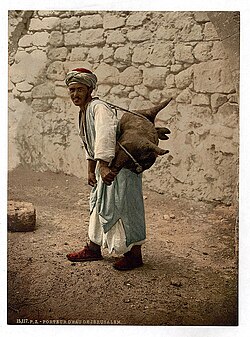
A History of Portable Hydration
While tribal peoples may have utilized waterskins over 5,000 years ago, the earliest visual evidence comes from the ancient Assyrians. Around 3000 BCE, the Assyrians utilized bladders not only for storage but also as floats.
As civilizations expanded, so did the reliance on these vessels. Large ancient empires, most notably Rome, integrated the use of waterskins into their logistics and daily life before the advent of the rigid canteen.

The cultural significance of these tools is further evidenced in ancient art, where the role of the water bearer was often depicted as a vital part of societal function.

The Evolution into Modern Water Bladders
In the modern era, the organic leather of the past has been replaced by synthetic materials. Today's versions—often referred to as water-pouches, water bags, or water bladders—are typically constructed from transparent plastics or canvases impregnated with rubber or plastic to ensure they remain leak-proof.
These contemporary iterations offer a variety of functional enhancements that were impossible with leather, including:
- Detachable straw-hoses for hands-free drinking.
- Specialized valves to control water flow.
- Refill openings of varying widths for easy cleaning and filling.
- Diverse closure systems, handles, and protective outer cases.
A specialized version of this technology is the hydration pack. This style is specifically distinguished by its flexible hose, allowing the user to drink conveniently while on the move, making it a favorite for athletes and hikers.
Key Facts
- Ancient Origins: Used by tribal peoples over 5,000 years ago; first pictured with Assyrians in 3000 BCE.
- Traditional Materials: Primarily made from sheep or goat skins.
- Historical Use: Essential for desert crossings and used by the Roman Empire.
- Modern Materials: Plastic, rubber-impregnated canvas, or thick transparent plastics.
- Modern Variants: Includes water-pouches, water bladders, and hydration packs.
| Feature | Traditional Waterskin | Modern Water Bladder |
|---|---|---|
| Primary Material | Sheep or Goat Skin | Plastic or Rubberized Canvas |
| Primary Benefit | Natural water retention | Durability and convenience |
| Drinking Method | Pouring/Drinking from opening | Straw-hoses and valves |
| Common Names | Waterskin | Hydration pack, water pouch |
Frequently Asked Questions
What were traditional waterskins made of?
Traditional waterskins were normally made from the skins of goats or sheep, which naturally retained water.
Who were the first people to be depicted using bladders?
The first pictures of these vessels come from the ancient Assyrians, who used bladders as floats around 3000 BCE.
How does a hydration pack differ from a standard water bag?
A hydration pack is a specific style of modern waterskin distinguished by a flexible hose that allows for convenient on-the-go drinking.
Are waterskins still used today?
Yes, while canteens and plastic bladders are common, traditional waterskins are still used in some parts of the world.
What materials are used in modern water-pouches?
Modern versions are often made from thicker transparent plastics or canvases that have been impregnated with rubber or plastic.